

There is a special kind of quiet that settles over a room of little ones when a good picture book comes out. Even the busiest toddler leans in to see the pictures. That moment is one of my favorite ways to start an art lesson, because a picture book does a lot of the teaching for me: it introduces a color, a shape or a kind of line, it shows a real illustrator’s style, and it gets children excited to make something of their own.
This list is for anyone teaching art to children from about one to five years old: preschool and Pre-K teachers, daycare and early learning educators, art teachers with a Pre-K class on the schedule, homeschool families and parents who want to make art time at home a little richer. I’ve gathered 34 board books and picture books that build color, shape, line and mark-making skills, and for each one you’ll find what it’s about, why it works in an art class, discussion prompts, an art activity, a drawing prompt, how to use it as a sub plan and which unit it ties into.
This post contains affiliate links. As an Amazon Associate I earn from qualifying purchases.
Looking for older kids? This is the first post in a new series of art book lists. Lists for Kindergarten to Grade 2, Grades 3 to 5 and middle school are on the way, and you’ll find them all on my Art Book Lists for Kids page as they go live.
How to Use Read-Alouds in Art Class With Little Ones
With toddlers and preschoolers, the read-aloud is short and lively, and the art comes right after it while the excitement is still high. Here is the simple rhythm I recommend.
- Read it once just for fun. Let children enjoy the story, the rhythm and the surprises. With board books and die-cut books, let them touch, lift and turn.
- Read it again with art eyes. Stop on a page and ask what colors, shapes or lines they see. Point to the illustrations and ask, “How do you think the artist made this?”
- Pick one idea to try. One color, one shape or one kind of line is plenty for this age. Mouse Paint becomes color mixing, Harold becomes one long line, Leaf Man becomes a leaf collage.
- Keep the activity short and hands-on. Ten to fifteen minutes of real making is a good goal. Big paper, chunky crayons, sponges and tear-able paper are your best friends.
- Talk about the art at the end. Ask each child to tell you one thing about their work. Write their words on the back. It builds language and shows them their ideas matter.
Every book below also has a sub plan idea. A picture book is one of the easiest things to leave for a substitute: the sub reads the book, hands out a simple page and some crayons, and the children make something that connects to the story. No special art knowledge needed.
Picture Books About Color for Toddlers and Preschoolers
Color is usually the first element of art little ones fall in love with. These books name colors, mix them, and connect them to feelings, which gives you a reason to get out the paint the very same day. If you want a quick, mess-free follow-up on the big screen, my Color Mixing Lab lets children mix colors with a tap.
1. Mouse Paint by Ellen Stoll Walsh

What it’s about: Three white mice find three jars of paint, red, blue and yellow, and climb right in. A dance in a yellow puddle turns the red mouse’s feet orange, and before long the mice are mixing green and purple too. When their fur gets sticky they wash off and paint the paper instead.
Why I love it for art class: The whole primary-and-secondary color lesson is right there in the story, told by three mice small children instantly root for, and it ends with the mice painting on paper, which is exactly where you want your little artists to go next.
Talk about it: “What color did the red mouse’s feet turn when he danced in the yellow puddle?” “Which two colors would you mix to make green?” “Why do you think the mice painted part of the paper white?”
Make it: Give each child a paper plate palette with a blob of red, yellow and blue tempera and let their fingers (or a cotton swab) be the mice. Mix two colors at a time and dance them across the paper. Drawing prompt: Draw a mouse taking a bath in your favorite color of paint.
As a sub plan: Read the book, then leave three crayons per child (red, yellow, blue) and a page folded into three. Students draw one mouse in each section and color layers on top of each other to discover a new color. Unit tie-in: Elements of art: color (primary and secondary colors). If you want a full lesson to go with it, my Kindergarten Color Mixing art lesson is a natural next step.
2. Mix It Up! by Hervé Tullet

What it’s about: A companion to Press Here, this board book invites readers to follow the artist’s simple instructions, tapping, tilting and pressing, while blobs of color appear, mix, splatter and vanish across the pages.
Why I love it for art class: Mix It Up! makes the reader part of the experiment. Toddlers press a blue dot, rub it into yellow, turn the page and see green. It turns color mixing into a game long before children are ready to hold a brush with control.
Talk about it: “What do you think will happen if we rub the blue into the yellow?” “Where did the colors go when we closed the book?”
Make it: Fill zip-top bags with two dabs of paint, tape them to the table and let children squish the colors together from the outside. No mess, plenty of discovery. Drawing prompt: Draw two blobs of color, then draw what they make when they meet.
As a sub plan: This one is lovely for a sub because the book tells the class what to do. Have the sub read it slowly with the class doing the actions, then hand out crayons for the drawing prompt. Unit tie-in: Elements of art: color; play-based learning.
3. Little Blue and Little Yellow by Leo Lionni

What it’s about: Little Blue and Little Yellow are best friends. When they find each other after a search, they hug so hard they turn green, and then have to find their true colors again. The story is told with torn paper and very few words.
Why I love it for art class: This is Leo Lionni’s first picture book, and it is a beautiful example of how much a simple torn-paper shape can say. Children see two blobs of color become characters with feelings, which is the same leap we ask them to make in their own art.
Talk about it: “How can a torn piece of paper look happy or sad?” “What happened when Little Blue and Little Yellow hugged?” “Who is your best friend, and what color would they be?”
Make it: Tear blue and yellow tissue paper circles and glue them overlapping on white paper. Where the tissue overlaps, a little patch of green appears, just like the hug in the book. Drawing prompt: Draw yourself and a friend as two colorful circles.
As a sub plan: Read the book, then give each child a sheet with two circle outlines to color, one for them and one for a friend. Older preschoolers can tear and glue small paper scraps inside the circles. Unit tie-in: Elements of art: color and shape; friendship (SEL). If you want a full lesson to go with it, my Kindergarten Primary Color Wheel lesson is a natural next step.
4. Monsters Love Colors by Mike Austin

What it’s about: Monsters love to scribble, mix, dance and wiggle, because monsters love to make new colors. This bright, energetic picture book follows a band of silly monsters as they mix and discover color.
Why I love it for art class: Every preschool class has a few children who would rather wiggle than sit, and this book welcomes that energy into art time. The monsters model the joy of scribbling and mixing without worrying about the result.
Talk about it: “Which monster would you want to paint with?” “What new color would you like to invent?”
Make it: Scribble monster painting: children make a big scribble with a crayon, then paint inside the shapes with watercolors and add googly eyes or drawn eyes to turn it into a monster. Drawing prompt: Draw a monster made of your favorite color.
As a sub plan: A sub can read the book, then play a short music track while children scribble with crayons and freeze when the music stops. When the music ends, they add eyes to their scribbles. Unit tie-in: Elements of art: color and line; Halloween or any time of year.
5. Go Away, Big Green Monster! by Ed Emberley

What it’s about: As children turn the die-cut pages, a Big Green Monster grows before their eyes. When they are ready to show him who is in charge, they turn the remaining pages and tell each part to go away until he disappears.
Why I love it for art class: The die-cut pages build a face out of simple shapes, one feature at a time: eyes, nose, teeth, hair. It is a sneaky shape-and-color lesson, and it gives anxious little ones a sense of control over something scary.
Talk about it: “What shapes do you see in the monster’s face?” “How does it feel to tell the monster to go away?” “What color would your monster be?”
Make it: Build a monster face with precut paper shapes (circles, ovals, triangles, squares) glued onto a green oval. Drawing prompt: Draw a friendly monster with three eyes.
As a sub plan: Ideal for a sub day near Halloween. Read the book with the class shouting “Go away!”, then give out a printed head shape and crayons so students can add their own monster features. Unit tie-in: Elements of art: shape and color; Halloween; managing fears (SEL). If you want a full lesson to go with it, my Pre-K Primary Color Monster art lesson is a natural next step.
6. A Color of His Own by Leo Lionni

What it’s about: Elephants are gray and pigs are pink, but the chameleon has no color of his own. He tries to stay green forever on a leaf, but in autumn the leaf changes, and so does he. When another chameleon suggests they travel together, he learns that companionship matters more than having one color.
Why I love it for art class: This is a gentle book about belonging, and it doubles as a color-matching book: the chameleon becomes purple like heather, yellow like a lemon, striped like a tiger. It is a natural way to talk about how artists notice the colors around them.
Talk about it: “What color would the chameleon be if he sat on your shirt?” “Why did the chameleon want a color of his own?” “What makes a good friend?”
Make it: Chameleon color hunt: cut out a paper chameleon shape and walk around the room holding it up to different objects. Children color their chameleon to match their favorite spot. Drawing prompt: Draw a chameleon sitting on something in your classroom, and color him to match.
As a sub plan: Leave a chameleon outline page. Students color the chameleon and the object he is sitting on in the same color, then share with a partner. Unit tie-in: Elements of art: color; autumn; belonging and friendship (SEL). If you want a full lesson to go with it, my Kindergarten Watercolor Chameleon lesson is a natural next step.
7. The Mixed-Up Chameleon by Eric Carle

What it’s about: A small green chameleon wishes to be handsome like a flamingo, smart like a fox and funny like a seal. With each wish he changes size, shape and color, and learns that being himself might be best of all.
Why I love it for art class: Eric Carle’s painted-paper collage is a gift to any art room, and this book shows how an animal can be built from pieces of other animals. Children love pointing out which part came from which animal, which is careful looking in disguise.
Talk about it: “Which animal part would you add to the chameleon?” “What part of you do you like best, just the way it is?”
Make it: Mixed-up animal collage: children paint sheets of paper with thick tempera and texture tools, let them dry, then cut or tear shapes to build a silly mixed-up animal. Drawing prompt: Draw an animal that is part cat and part bird.
As a sub plan: Pair it with a simple worksheet: a chameleon body with blank spots where students draw a part from another animal. Easy for a sub to explain and fun to share at the end. Unit tie-in: Artist study: Eric Carle; elements of art: color and shape; self-esteem (SEL).
8. Brown Bear, Brown Bear, What Do You See? by Bill Martin Jr., illustrated by Eric Carle

What it’s about: A big happy frog, a plump purple cat, a handsome blue horse and a soft yellow duck parade across the pages in Eric Carle’s boldly colored collages, set to Bill Martin Jr.’s rhythmic, repeating text.
Why I love it for art class: For toddlers this is often their first art book without anyone calling it that. The rhythm helps children predict the next color, and the purple cat and blue horse open a lovely conversation: artists can choose any color they like.
Talk about it: “Have you ever seen a blue horse? Why do you think Eric Carle painted one?” “What animal comes next?”
Make it: Make a class book: each child chooses an animal and a surprising color, paints it, and you add the line “___, ___, what do you see?” under every page. Drawing prompt: Draw an animal in a color it never is in real life.
As a sub plan: A sub can read it twice, the second time with the class joining in. Then students draw one animal in an unexpected color on a half sheet for a class book. Unit tie-in: Artist study: Eric Carle; elements of art: color; animals.
9. Lemons Are Not Red by Laura Vaccaro Seeger

What it’s about: Clever cutouts make a simple introduction to color: “Lemons are not RED.” Turn the page and the lemon is yellow, while the apple beside it is red. The pattern continues, from carrots that are not purple to reindeer that are not white, and ends on a quiet night scene.
Why I love it for art class: Die cuts invite little hands to touch and turn, and the gentle silliness gets children correcting the book, which means they are thinking about color on their own. It also previews the idea of positive and negative space in a very simple way.
Talk about it: “What color should a lemon be? What else is yellow?” “What color is the moon in the book?”
Make it: “Not red” drawing: fold a paper in half. On one side children draw a fruit in a silly color, and on the other side they draw it in its real color. Drawing prompt: Draw something that is not the color it should be.
As a sub plan: Leave a folded half-sheet for each child with the sentence starter “___ are not ___” for older preschoolers to dictate or copy. Unit tie-in: Elements of art: color; observation.
10. Blue Hat, Green Hat by Sandra Boynton

What it’s about: Three earnest animals and one misguided turkey learn about colors, clothes and getting dressed in this board book. Little ones chime in with an “OOPS” on every spread.
Why I love it for art class: This is pure fun for the youngest group in your room. Color words repeat on every page, and the “oops” running joke makes children feel clever for spotting what is wrong.
Talk about it: “What color is the hat? What color is your hat?” “What did the turkey get wrong?”
Make it: Paper doll dress-up: give each child a simple body outline and colored paper clothes to glue on, saying each color out loud as they go. Drawing prompt: Draw yourself wearing a hat in your favorite color.
As a sub plan: Perfect for a short sub period with toddlers or preschoolers. Read, then color a hat template. Unit tie-in: Elements of art: color; color vocabulary.
11. My Many Colored Days by Dr. Seuss, illustrated by Steve Johnson and Lou Fancher

What it’s about: Dr. Seuss wrote this text about feelings and moods, and it was later illustrated with expressive paintings by Steve Johnson and Lou Fancher: a bright red horse kicking its heels, a cool green fish, a lonely purple dinosaur, a howling black wolf.
Why I love it for art class: This book is a beautiful way to connect color with feelings. Children learn that artists choose colors to show a mood, and they get words for their own feelings at the same time.
Talk about it: “How does a red day feel? How does a blue day feel?” “What color is today for you?” “Why do you think the wolf is black?”
Make it: Feelings painting: play a short piece of music, and have children choose one color that matches how it makes them feel and paint with it. Drawing prompt: Draw an animal that shows how you feel today, using one color.
As a sub plan: A sub can read the book, then hand out a sheet with a circle labelled “My color today” for students to color and draw a face in. Unit tie-in: Elements of art: color and mood; feelings and self-awareness (SEL).
12. Pete the Cat: I Love My White Shoes by Eric Litwin, illustrated by James Dean

What it’s about: Pete the Cat walks down the street in his brand-new white shoes, and they turn red, then blue, then brown as he steps in strawberries, blueberries and other messes. Pete keeps singing his song, because it’s all good.
Why I love it for art class: Children love the repeated song, and the book asks them to name the color that comes next. For art class it opens a great talk about how colors change when they mix and stain, and about staying calm when a project gets messy.
Talk about it: “What color will Pete’s shoes be after the blueberries?” “What do you do when your art gets messy?”
Make it: Shoe painting: trace each child’s shoe on paper, then let them dip a sponge in one color at a time to show Pete’s shoe changing. Drawing prompt: Draw a pair of shoes and step them into a color of your choice.
As a sub plan: Easy sub plan: read and sing, then hand out a shoe outline page for children to color in the order the shoes changed. Unit tie-in: Elements of art: color; flexibility and calm (SEL).
13. Color Dance by Ann Jonas

What it’s about: The girl in red, the girl in yellow, the girl in blue and the boy in black and white are all set to stir up the rainbow. Step by step, their scarves create a living kaleidoscope.
Why I love it for art class: The description is short, and so is the text, but the idea is a big one: colors overlap and stir up a whole rainbow. It is a great link between music, movement and color mixing.
Talk about it: “What happens when the red scarf and the yellow scarf overlap?” “What do you think the boy in black and white adds?”
Make it: Scarf dance and tissue collage: dance with colored scarves or ribbons, then overlap colored tissue paper on a window or light table to see the new colors. Drawing prompt: Draw yourself dancing with a scarf of your favorite color.
As a sub plan: Sub tip: read, then have students color three overlapping circles in red, yellow and blue crayon, pressing lightly where they overlap. Unit tie-in: Elements of art: color mixing, tints and shades; movement and music.
14. Planting a Rainbow by Lois Ehlert

What it’s about: A mother and daughter plant bulbs, seeds and seedlings in their backyard and watch them grow into a garden of every color. Lois Ehlert’s textured cut-paper collages make each color band of flowers glow.
Why I love it for art class: This book quietly teaches the order of the rainbow, and the pages with flowers sorted by color are a perfect visual reference. Ehlert’s cut-paper style is also very doable for preschoolers.
Talk about it: “What color flower would you plant first?” “Can you find all the red flowers?” “How do you think Lois Ehlert made her pictures?”
Make it: Rainbow garden collage: children glue paper flower shapes in rainbow order across a long strip of paper, then add stems with green crayon. Drawing prompt: Draw a flower in each color of the rainbow.
As a sub plan: Leave a rainbow garden template with labelled rows (red, orange, yellow, green, blue, purple). Students draw and color one flower per row. Unit tie-in: Elements of art: color (rainbow order); spring; Earth Day.
15. Red: A Crayon’s Story by Michael Hall

What it’s about: Red has a bright red label, but he is, in fact, blue. His teacher, his mother and even the scissors try to help him be red, and he is miserable, until a new friend offers a new perspective.
Why I love it for art class: This one sits on the older end of the toddler-to-preschool range, so I save it for four- and five-year-olds. It works on two levels: a silly crayon story, and a gentle conversation about being true to yourself.
Talk about it: “What color is Red, really?” “How did his friends try to help? Did it work?” “What helps you feel like yourself?”
Make it: Crayon label art: give each child a paper crayon wrapper to color and label with something true about themselves. Drawing prompt: Draw a crayon with a face and give it a name.
As a sub plan: A sub can read the book and then have students draw what Red finally got to color. It leads to a quick, kind discussion. Unit tie-in: Elements of art: color; identity and kindness (SEL).
16. The Crayon Box That Talked by Shane DeRolf, illustrated by Michael Letzig

What it’s about: In a toy store, a narrator overhears a box of crayons arguing about which colors they don’t like. Once the crayons are used together in one picture, they discover that the result is much more interesting and colorful.
Why I love it for art class: This poem is a lovely start-of-year read for building a kind art community. Its message is simple: every color is needed to make the whole picture, just like every child in your room.
Talk about it: “Why didn’t the crayons like each other at first?” “What happened when they made one picture together?”
Make it: Class color quilt: each child decorates one square with a single crayon color, and you assemble the squares into a quilt for the wall. Drawing prompt: Draw a picture using every crayon in your box at least once.
As a sub plan: Read the book, then have students color a quilt square with patterns in one color. A sub can collect them for you to put together later. Unit tie-in: Elements of art: color; community and inclusion (SEL); back to school.
Books About Shapes and Dots
Every drawing I teach starts with simple shapes, so I love books that show children how circles, squares and triangles can become animals, trains and creatures. Many of these have die-cut pages that little hands love to touch.
17. Mouse Shapes by Ellen Stoll Walsh

What it’s about: What can you make with one oval, two circles and eight triangles? Three clever mice build things from shapes, and even find a funny way to trick a sneaky cat.
Why I love it for art class: From the author of Mouse Paint, this is the shape lesson I reach for with the youngest artists. Children see that big pictures are made of small simple shapes, which is how I teach almost every drawing.
Talk about it: “What shapes did the mice use to make the house?” “What could you build with three triangles?”
Make it: Shape building: give each child a small bag of paper shapes and let them build a picture (a house, a cat, a boat) before gluing it down. Drawing prompt: Draw a mouse using only circles and ovals.
As a sub plan: A sub can read the book and hand out a page of precut shapes to glue into a picture. Ask children to name their picture for you. Unit tie-in: Elements of art: shape.
18. Color Zoo by Lois Ehlert

What it’s about: A Caldecott Honor die-cut concept book about colors, shapes and animals. As children turn the pages, the cutouts line up to reveal abstract animal heads made from shapes.
Why I love it for art class: Color Zoo shows children that a tiger, a mouse or a fox can be built from simple geometric shapes. The bold primary colors carry across a whole room at story time, so even the child at the back sees every page.
Talk about it: “What shape made the tiger’s face?” “What animal could you make from a square?”
Make it: Shape animal faces: give children a large square, circle or triangle of colored paper and smaller shapes to add ears, eyes and noses. Drawing prompt: Draw an animal face using only triangles.
As a sub plan: Easy to leave for a sub: read the book, then give each child one big shape and a bag of small shapes to make an animal face. Unit tie-in: Elements of art: shape and color; animals.
19. Shape by Shape by Suse MacDonald

What it’s about: “What am I? I lived a long, long time ago.” As readers turn the die-cut pages, shapes come together to reveal a creature from long ago, with a large fold-out page on the final spread.
Why I love it for art class: The guessing game keeps toddlers and preschoolers glued to every page, and the cut-paper collage style shows how circles become eyes and triangles become scales.
Talk about it: “What do you think the shapes are making?” “Which shape became the teeth?”
Make it: Shape creature collage: children build their own creature from shapes on a long strip of paper, and partners guess what it is. Drawing prompt: Draw a creature from long ago using big and small triangles.
As a sub plan: A sub can read, then let students build a shape creature from precut paper shapes. Unit tie-in: Elements of art: shape; dinosaurs.
20. Perfect Square by Michael Hall
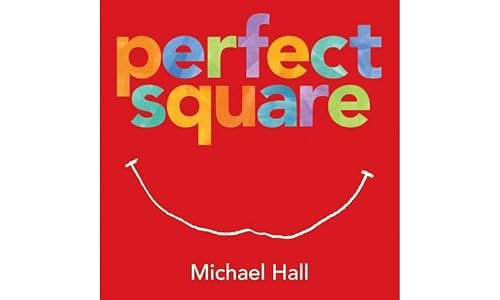
What it’s about: A happy square is cut into pieces, poked full of holes and torn into scraps, and every day it reinvents itself, becoming a fountain, a garden and more. Readers also meet the days of the week and the colors of the rainbow.
Why I love it for art class: This is a creativity and resilience book in one. It gives children permission to cut and tear and reshape, and shows that the result can be even more interesting than the plain shape you started with.
Talk about it: “What did the square become when it was torn into pieces?” “What would you turn a square into?”
Make it: Square challenge: give each child one colored paper square and scissors. They cut it any way they like and arrange the pieces into something new. Drawing prompt: Draw five things that are shaped like a square.
As a sub plan: Sub plan: read the book and give each child one paper square to tear and glue into a picture. Very little prep and lovely results. Unit tie-in: Elements of art: shape; resilience and growth mindset (SEL).
21. Round Is a Mooncake: A Book of Shapes by Roseanne Thong, illustrated by Grace Lin

What it’s about: A little girl’s urban neighborhood becomes a discovery ground for things that are round, square and rectangular: rice bowls and mooncakes, dim sum and pizza boxes, Chinese lace and a special pencil case. A short glossary explains the cultural objects.
Why I love it for art class: Grace Lin’s bright, whimsical art and the gentle rhyme make this a beautiful shape hunt, and it connects nicely to a Mid-Autumn Festival or Lunar New Year unit.
Talk about it: “What round things are in your home?” “What shape is a mooncake?” “Can you find a rectangle in our classroom?”
Make it: Shape hunt walk: walk around the school with clipboards and draw three round, three square and three rectangle things you find. Drawing prompt: Draw your favorite round food.
As a sub plan: A sub can read the book and hand out a three-column page (round, square, rectangle) for students to draw what they see in the classroom. Unit tie-in: Elements of art: shape; Mid-Autumn Festival; Lunar New Year.
22. Ten Black Dots by Donald Crews

What it’s about: What can you do with ten black dots? One dot makes a sun, two dots make the eyes of a fox, three make a snowman’s face, and it goes on from there in this counting book.
Why I love it for art class: This book is counting, shape and imagination all at once. It shows children that a plain dot can become anything, which is the same idea behind The Dot for older kids.
Talk about it: “What would you make with one dot?” “Where are the dots hiding on this page?”
Make it: Dot sticker pictures: give each child a strip of black dot stickers and a page. They turn the dots into anything they like with a crayon. Drawing prompt: Draw something using exactly three dots.
As a sub plan: Very easy sub plan: read, then give each child a page with a number at the top. They draw that many dots and turn them into a picture. Unit tie-in: Elements of art: shape and dot; math connection (counting).
23. Press Here by Hervé Tullet

What it’s about: Press the yellow dot on the cover and follow the instructions inside: push the button, shake the book, tilt it, and watch the dots multiply, change direction and grow.
Why I love it for art class: Press Here is all about dots, primary colors and following directions, and it makes a lively first art class.
Talk about it: “What do you think will happen if we shake the book?” “How many dots are on this page?”
Make it: Dot printing: dip corks or the ends of paper towel tubes in red, yellow and blue paint and print dots across a page, following simple instructions you call out. Drawing prompt: Draw a page of dots that grow from small to big.
As a sub plan: Fantastic for a sub because the book gives the instructions. Read it with the class acting it out, then hand out dot markers or crayons. Unit tie-in: Elements of art: shape (dots) and color; following directions.
24. Freight Train by Donald Crews

What it’s about: In simple words and bright colors, a freight train rolls past: a red caboose, an orange tank car, a green cattle car, a purple box car and a black steam engine. A Caldecott Honor book.
Why I love it for art class: Freight Train is shapes and colors in motion. Each car is a simple rectangle in a single color, so it is a perfect model for young artists building their own train out of paper shapes.
Talk about it: “What color is the caboose?” “Where do you think the train is going?”
Make it: Shape train collage: children glue paper rectangles in rainbow order, add circle wheels and draw a track with crayon. Drawing prompt: Draw a train car and fill it with something you would like to carry.
As a sub plan: A sub can read, then give each child rectangle and circle shapes to build a train. Unit tie-in: Elements of art: shape and color; transportation. If you want a full lesson to go with it, my Train Art Project for primary students is a natural next step.
Books About Line and Mark-Making
Before children can draw a recognizable picture, they need lots of time making marks: scribbles, dots, zigzags and long wandering lines. These books celebrate those marks as real art.
25. Harold and the Purple Crayon by Crockett Johnson

What it’s about: One evening Harold decides to go for a walk in the moonlight. Armed with an oversize purple crayon, he draws himself a landscape, travels through woods, across seas and past dragons, and draws his way back to bed.
Why I love it for art class: This is the book that shows children a single line can become a whole adventure. Harold never lifts his crayon for long, so it pairs beautifully with continuous line drawing, even for the littlest artists.
Talk about it: “What did Harold draw when he needed to get out of the water?” “Where would your crayon take you?” “Can you draw something without lifting your crayon?”
Make it: Purple crayon path: tape a long roll of paper across the floor and let children add to one shared purple line that becomes a road, a moon, a tree. Drawing prompt: Draw a path with one crayon and see where it takes you.
As a sub plan: Read the book, then give each child a purple crayon and a page. Their job is to draw an adventure without lifting the crayon for as long as they can. Unit tie-in: Elements of art: line; imagination. If you want a full lesson to go with it, my Trace Lines worksheets for Pre-K and Kindergarten is a natural next step.
26. Lines That Wiggle by Candace Whitman, illustrated by Steve Wilson

What it’s about: Follow the line that runs through the book as it becomes the waves above an octopus, the veins in a leaf, the wrappings on a mummy and the threads of a spiderweb, told in catchy rhyme.
Why I love it for art class: This book is a type-of-line lesson that children do not realize is a lesson. One line travels through every page and keeps changing what it becomes, and the rhyme keeps little ones following along to see what it turns into next.
Talk about it: “Can you make your finger wiggle like the line?” “Where do you see a zigzag line in our room?”
Make it: Line collage: give children yarn, pipe cleaners and paper strips to glue down as wiggly, zigzag, curly and straight lines. Drawing prompt: Draw a creature with wiggly legs.
As a sub plan: A sub can read it, then hand out a page divided into four boxes: straight, wiggly, zigzag and curly. Students fill each box with that line. Unit tie-in: Elements of art: line (types of lines); Halloween. If you want a full lesson to go with it, my Pre-K Types of Lines art lesson is a natural next step.
27. The Very Busy Spider by Eric Carle

What it’s about: Early one morning a little spider spins her web on a fence post. One by one the farm animals try to distract her, but she keeps working, and in the end her web is beautiful and useful. The web is raised so children can feel it.
Why I love it for art class: This multi-sensory board book teaches line and texture through touch. Children trace the raised web lines with a finger, which is exactly the kind of mark-making warm-up toddlers need.
Talk about it: “Can you feel the web? Which way does the line go?” “Why didn’t the spider stop to play?”
Make it: Glue web: children draw a web on black paper with white glue lines, then sprinkle with salt or glitter, or let it dry clear and trace it with a finger. Drawing prompt: Draw a spider web with straight lines and curved lines.
As a sub plan: Sub plan: read the book and give each child a page with a dot in the center. They draw lines out from the dot and then connect them to make a web. Unit tie-in: Artist study: Eric Carle; elements of art: line and texture; fall.
28. Art by Patrick McDonnell

What it’s about: “This is Art. And this is Art.” A rhyming tribute to a young artist named Art, who explores color and creative freedom with zigzags, curlicues, splotches and dots.
Why I love it for art class: Art is pure mark-making joy. The book names the marks children are already making (squiggles, dots, splotches) and celebrates them as real art, which is exactly what toddlers and preschoolers need to hear.
Talk about it: “What kinds of marks did Art make?” “Which mark is your favorite to make?”
Make it: Mark-making station: set out crayons, markers, sponges and stamps, and call out a mark from the book (zigzag, dot, swirl) for children to try. Drawing prompt: Draw a picture using only zigzags and dots.
As a sub plan: Read the book, then give each child a large paper with four boxes labelled with marks from the story. Unit tie-in: Elements of art: line and mark-making; creative confidence.
29. Shadow by Suzy Lee

What it’s about: A dark attic, a light bulb and an imaginative little girl. In two shades of color, Suzy Lee tells a wordless story of creative play that begins and ends with the click of a light bulb.
Why I love it for art class: This wordless book is for the older preschoolers, and it is wonderful for teaching that a shadow has a shape and an outline. Children make up the story themselves, which builds visual reading skills.
Talk about it: “What is the girl doing with her hands?” “What do you think the shadow will turn into?”
Make it: Shadow tracing: shine a flashlight or use sunlight to cast shadows of small toys on paper and trace the outlines. Drawing prompt: Draw the shadow of your hand making an animal.
As a sub plan: A sub can share the book and then let students trace around small objects or their hands and turn the outlines into creatures. Unit tie-in: Elements of art: line, shape and value; light and shadow.
Collage and Texture Books
Lois Ehlert’s collages are a gift to early childhood art rooms. Her books show children that leaves, buttons, seeds and scraps of fabric are all art materials.
30. Leaf Man by Lois Ehlert

What it’s about: Fall has come, the wind is gusting and Leaf Man is on the move, drifting over marshes, orchards and prairie meadows. Lois Ehlert builds every illustration from real fall leaves.
Why I love it for art class: Leaf Man is a wonderful book for fall collage. Children see that a leaf can be a body, a wing or a face, and they cannot wait to go outside and collect their own leaves.
Talk about it: “What leaves did Lois Ehlert use for the Leaf Man’s body?” “Where do you think the wind will take him?”
Make it: Leaf creatures: go on a leaf walk, press the leaves for a day, then glue them onto paper to make a leaf person or animal, adding details with marker. Drawing prompt: Draw a leaf with a face and arms.
As a sub plan: Read the book and leave a bag of paper leaf shapes (or real pressed leaves) for students to glue into their own Leaf Man. Unit tie-in: Elements of art: shape, color and texture; fall. If you want a full lesson to go with it, my Autumn Leaf Line Art lesson is a natural next step.
31. Snowballs by Lois Ehlert

What it’s about: It’s time to build a snowman. Lois Ehlert creates a wintry world by collaging cut paper and textured found objects like buttons, fabric and seeds into a whole family of snow people.
Why I love it for art class: Snowballs shows children that buttons, seeds and fabric scraps can be art materials. It is a perfect winter collage book and an easy way to talk about texture.
Talk about it: “What did Lois Ehlert use for the snowman’s eyes?” “What would you use to make your snow person?”
Make it: Found-object snow people: glue cotton balls or white paper circles on blue paper, then add buttons, yarn and fabric scraps. Drawing prompt: Draw a snow person who looks like someone in your family.
As a sub plan: A sub can read the book and hand out white circles plus a small cup of collage scraps for each table. Unit tie-in: Elements of art: texture and shape; winter. If you want a full lesson to go with it, my Winter Snowman art lesson is a natural next step.
Books for Creative Confidence
These are the books I read when a child says “I can’t” or cries over a spill. They are about starting, making mistakes and imagining, and they build the kind of confidence that carries into every other art lesson.
32. The Dot by Peter H. Reynolds

What it’s about: Art class is over, but Vashti sits in front of a blank page. She can’t draw, she says. Her teacher smiles: “Just make a mark and see where it takes you.” Vashti jabs the paper to make a dot, and that one little dot starts her journey.
Why I love it for art class: The Dot is listed for ages four and up, so it suits your oldest preschoolers and kindergarten. It speaks straight to the child who is afraid to start.
Talk about it: “Why did Vashti’s teacher ask her to sign her dot?” “How did Vashti help the little boy at the end?” “What could your dot become?”
Make it: Dot paintings: give each child a paper plate or square and let them make one big dot, then fill the page with more dots in different sizes and colors. Drawing prompt: Make a dot, then turn it into something.
As a sub plan: This is one of the easiest sub plans in the world: read the book, give each child a circle to decorate, and have them sign their work just like Vashti. Unit tie-in: Elements of art: shape and color; growth mindset (SEL); International Dot Day. If you want a full lesson to go with it, my Dot Day art lesson is a natural next step.
33. Beautiful Oops! by Barney Saltzberg

What it’s about: This interactive book says “Hooray for mistakes!” It is full of pop-ups, lift-the-flaps, tears, holes, overlays, bends and smudges, each one showing how a blunder can become a wonder.
Why I love it for art class: Toddlers and preschoolers often cry over a spill or a torn page, and this book shows them exactly what to do next.
Talk about it: “What did the spill turn into?” “Have you ever made an oops that turned into something good?”
Make it: Oops art: give each child a page with a paint drip, a tear or a coffee ring already on it, and let them turn it into a picture. Drawing prompt: Make a scribble with your eyes closed, then turn it into something.
As a sub plan: Leave pages with a splotch or tear on each one. A sub reads the book and students transform their “oops” into art. Unit tie-in: Growth mindset and resilience (SEL); creative confidence.
34. Not a Box by Antoinette Portis
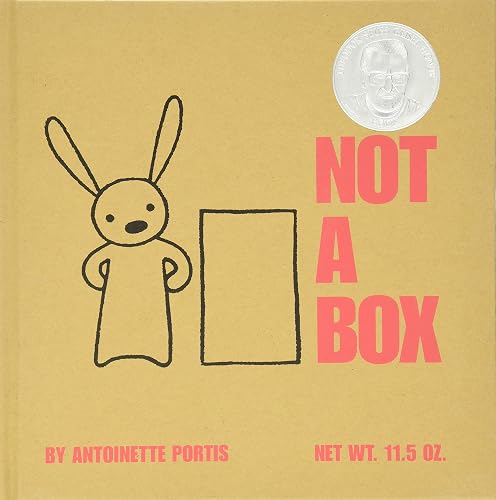
What it’s about: A box is just a box, unless it’s not a box. A small rabbit shows that a box can be a mountain, a rocket ship and more, as far as the imagination allows. A Theodor Seuss Geisel Honor book.
Why I love it for art class: It is a clear, gentle model of imaginative drawing: one plain shape, many possibilities. The publisher even suggests drawing shapes like a triangle or circle after reading and asking your child what the shape is NOT.
Talk about it: “What is the rabbit’s box really?” “What would your box be?”
Make it: Box sculptures: collect small boxes and let children paint them and turn them into anything, from cars to robots to houses. Drawing prompt: Draw a box, then turn it into something that is not a box.
As a sub plan: Leave a page with a square drawn on it. Students turn it into anything they like, and write or dictate “It’s not a box, it’s a ___.” Unit tie-in: Elements of art: shape and form; imagination.

Quick Tips for Art With Toddlers and Preschoolers
- Process first. At this age the scribbling, smearing and mixing are the learning. A finished product that looks like the book is not the goal.
- Offer a few materials at a time. Three colors of paint or one crayon and a big sheet of paper often keeps little ones more focused than a full supply table.
- Use real art words. Children love big words like “primary colors,” “collage” and “zigzag line.” Say them often and they will start using them too.
- Repeat favorite books. Little ones love rereading. A second or third read is a great time to notice something new in the illustrations.
- Display the art next to the book. Hang the class artwork beside a photocopy of the cover so families can see the connection.
Keep the Art Going
If you’d like more ideas for the youngest artists, my Pre-K Art Hub has weekly themes and videos made for parents and teachers, and the Ms Artastic shop has step-by-step lessons for every grade, including Pre-K and Kindergarten favorites like my Pre-K Types of Lines lesson and Preschool Name Art lesson.
Planning for older students too? My K–8 Art Curriculum Map lays out 36 weeks of art lessons for every grade from Kindergarten to Grade 8, with a picture book suggestion for many of the weeks, so your read-alouds and your art lessons line up all year. And if you’d like a few lessons to try right away, join my Free Art Lesson Library. It’s free, and new lessons land in your inbox. When you’re ready for a full year of art lessons, videos and printables in one place, take a look at the Artastic Collective.
If you are stocking up on supplies for little hands, my guide to the best art gifts for toddlers has ideas for ages 1 to 3. You can also find my own art activity books for kids on my Ms Artastic bookshelf.
Happy reading, and happy creating!
This post contains affiliate links. As an Amazon Associate I earn from qualifying purchases.
Share this:

Did this help? Leave a reaction
Let's talk about it. Have a question, a photo-worthy result, or a tip for other teachers? Drop it in the comments below.
💬 Leave a comment


