
Art Careers / Scientific and Botanical Illustrator
What Does a Scientific Illustrator Do? An Art Career for Kids
Curious about this job? Here is what the work looks like, a typical day, the tools, where people do it and how to get started, plus a small activity so you can try it yourself.
What a scientific illustrator does
A scientific illustrator draws plants, animals, insects, fossils and other parts of nature with great accuracy. Their pictures appear in field guides, textbooks, museums and science articles.
Real-world examples: Maria Sibylla Merian, who painted butterflies and their life cycles in the 1600s and 1700s.
A day on the job
- Observe real specimens, sometimes with a microscope
- Make careful sketches and measurements
- Create final art in pen, watercolor or digital tools
- Check details with scientists
Tools of the job
- Pencils and technical pens
- Watercolor
- Magnifying glass and microscope
- Rulers and calipers
- Digital illustration software
- Field sketchbook
Where they work
- Museums and botanical gardens
- Universities and research centers
- Publishers
- Home studios as freelancers
The path in 4 steps
Start now
- Keep a nature journal of leaves, bugs or birds
- Draw something while looking through a magnifying glass
- Visit a natural history museum or garden
In your teens
- Take biology and art
- Volunteer at a nature center, zoo or garden
- Fill a sketchbook with nature studies
Training
Scientific illustrators combine art training with science knowledge. Some earn a degree in scientific illustration, while others study art or science and build skills through workshops and professional groups.
Build a portfolio
Accurate nature drawings in several media, with labels and notes.
Skills that help
- Careful observation
- Accurate drawing
- Science knowledge
- Patience
- Watercolor or pen technique
Try this job
A small taste of the real work, using things you already have.
Go outside and find one leaf. Draw it life size, then draw one small part of it, like the stem or vein pattern, twice as big. Add a ruler line to show its real size, and write the date, place and color notes. That is how scientists and illustrators have recorded nature for hundreds of years.
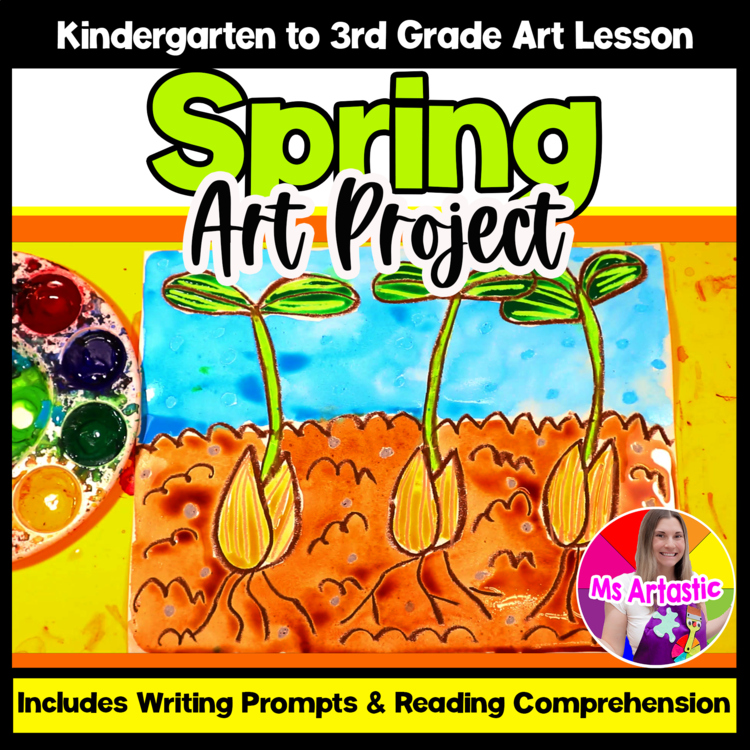
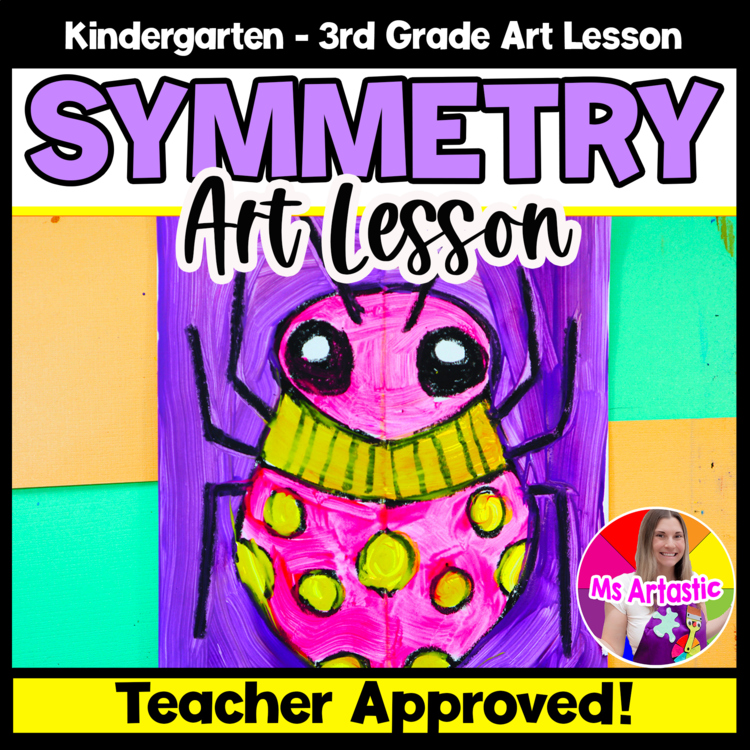
Ms Artastic lessons
Lessons that practise skills this career uses.
Watch with Ms Artastic
Videos from my YouTube channel that practise skills from this job.


Related art careers
Learn more
For pay, job outlook and training details, read the U.S. Bureau of Labor Statistics Occupational Outlook Handbook page for this kind of work.
Which art career fits you?
Answer a few quick questions and see which art jobs match what you love to do.
Take the Which Art Career Fits You quizQuestions teachers and parents ask
What does a scientific illustrator do?
A scientific illustrator draws plants, animals, insects, fossils and other parts of nature with great accuracy. Their pictures appear in field guides, textbooks, museums and science articles.
How do you become a scientific illustrator?
Scientific illustrators combine art training with science knowledge. Some earn a degree in scientific illustration, while others study art or science and build skills through workshops and professional groups.
What skills does a scientific illustrator need?
Careful observation, Accurate drawing, Science knowledge, Patience and Watercolor or pen technique.
The Artastic Collective art curriculum
Full art lessons, videos and units for the whole year, ready when you are. Monthly, yearly and VIP plans.
