
Art Careers / Medical Illustrator
What Does a Medical Illustrator Do? An Art Career for Kids
Curious about this job? Here is what the work looks like, a typical day, the tools, where people do it and how to get started, plus a small activity so you can try it yourself.
What a medical illustrator does
A medical illustrator draws the inside of the human body, like bones, muscles and organs, so that doctors, students and patients can understand it. They also make animations and 3D models.
Real-world examples: Max Brödel, who led the first medical illustration department at Johns Hopkins.
A day on the job
- Study anatomy and talk with doctors or scientists
- Sketch accurate drawings of body parts or medical procedures
- Create digital illustrations, animations or 3D models
- Check work with experts for accuracy
Tools of the job
- Pencils and sketchbook
- Digital illustration software
- 3D modeling and animation software
- Anatomy books and models
- Microscopes and reference photos
- Drawing tablet
Where they work
- Hospitals and medical schools
- Publishing and medical education companies
- Their own studio as freelancers
The path in 4 steps
Start now
- Draw a skeleton or a hand from a real model or picture
- Read kid-friendly books about the human body
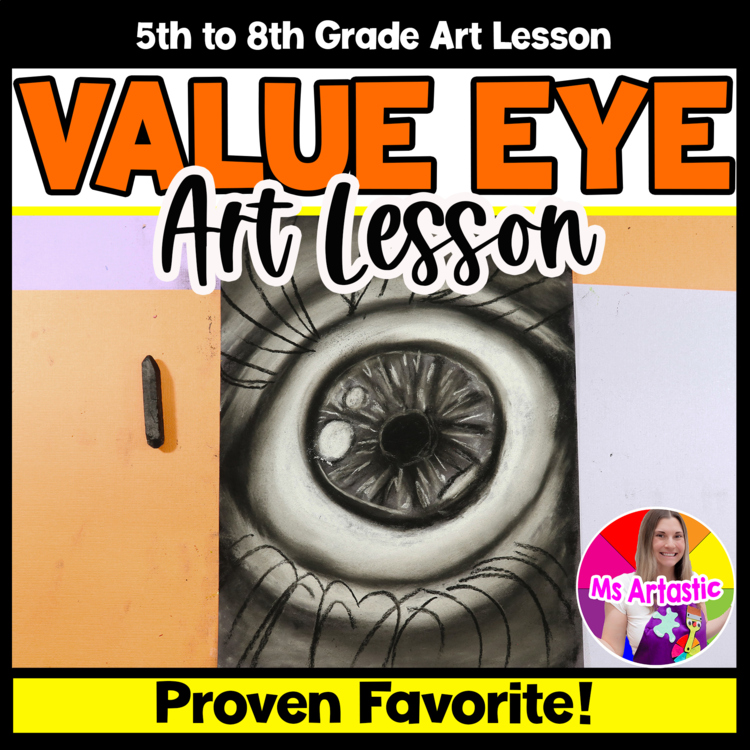
- Practice careful shading to show 3D form
In your teens
- Take biology, anatomy (if offered) and art
- Draw from life every week
- Learn a digital art program
Training
Medical illustrators usually need a bachelor's degree that combines art with premedical science courses. Many go on to a master's degree in medical illustration, offered by a small number of specialized programs.
Build a portfolio
Accurate drawings from life, anatomy studies, and science illustrations showing both skill and accuracy.
Skills that help
- Accurate drawing
- Science knowledge
- Careful observation
- Clear communication
- Digital art
Try this job
A small taste of the real work, using things you already have.
Look closely at your own hand. Draw it slowly, paying attention to knuckles, wrinkles and fingernails. Then add labels: thumb, knuckle, palm, fingernail, wrist. Medical illustrators combine careful drawing with exact labels so someone can learn from their picture.
Ms Artastic lessons
Lessons that practise skills this career uses.
Related art careers
Learn more
For pay, job outlook and training details, read the U.S. Bureau of Labor Statistics Occupational Outlook Handbook page for this kind of work.
Which art career fits you?
Answer a few quick questions and see which art jobs match what you love to do.
Take the Which Art Career Fits You quizQuestions teachers and parents ask
What does a medical illustrator do?
A medical illustrator draws the inside of the human body, like bones, muscles and organs, so that doctors, students and patients can understand it. They also make animations and 3D models.
How do you become a medical illustrator?
Medical illustrators usually need a bachelor's degree that combines art with premedical science courses. Many go on to a master's degree in medical illustration, offered by a small number of specialized programs.
What skills does a medical illustrator need?
Accurate drawing, Science knowledge, Careful observation, Clear communication and Digital art.
The Artastic Collective art curriculum
Full art lessons, videos and units for the whole year, ready when you are. Monthly, yearly and VIP plans.
